Understanding consumer demand is one of the most important skills in modern business. It goes far beyond simply knowing what people buy — it’s about understanding why they buy, what drives their decisions, and how their needs evolve over time. Companies that master consumer demand can create better products, improve marketing, and stay ahead of their competitors.
What Is Consumer Demand?
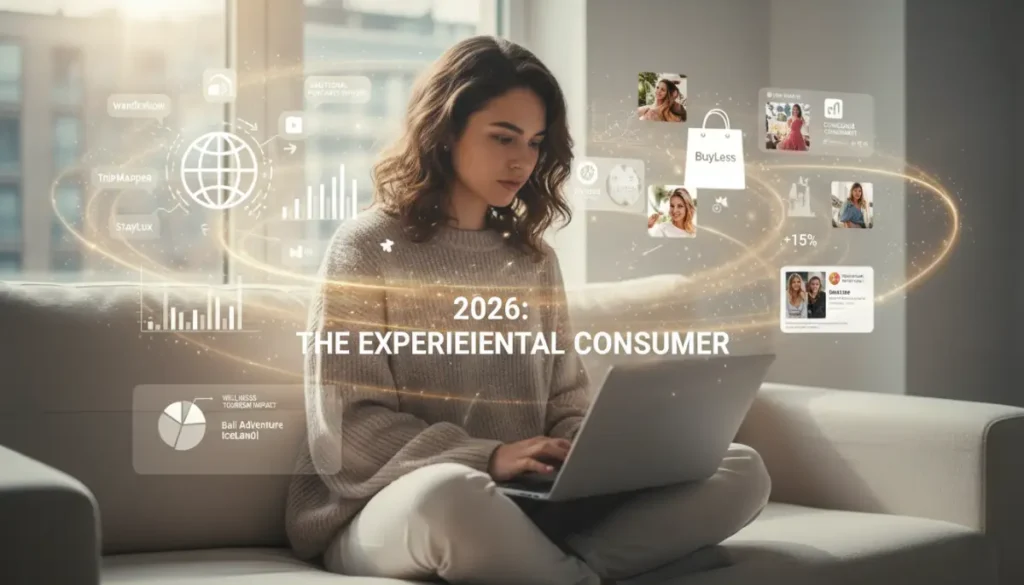
Consumer demand refers to the desire and willingness of people to purchase goods and services at a given price. It is influenced by a mix of personal, psychological, social, economic, and cultural factors. In today’s fast-changing world, demand is more dynamic than ever.
Key Factors Influencing Consumer Demand
1. Economic Factors
Income levels, employment status, inflation, and overall economic confidence play a major role. When people feel financially secure, they are more willing to spend on non-essential items such as travel, dining out, or premium products.
2. Psychological and Emotional Drivers
Emotions, personal values, and life experiences heavily influence buying decisions. Many purchases are driven by the desire for experiences, self-discovery, status, or escape from routine.
3. Social and Cultural Influences
Family, friends, social media, and cultural trends shape what consumers want. The rise of Instagram and TikTok, for example, has significantly boosted demand for experiential travel, unique destinations, and visually appealing products.
4. Technological Advancements
New technologies create entirely new demands. The growth of online booking platforms, review sites, and travel apps has made international travel more accessible and increased overall demand in the tourism sector.
5. Personal Life Stages and Experiences
Major life events — such as turning 18, graduating, starting a career, or gaining financial independence — often trigger new consumer behaviors.
Real-World Example: The Rise of Experiential Travel Demand
Consider the story of a young woman from a small town in the Midwest who dreamed of exploring the world. As a teenager, she worked multiple odd jobs — babysitting, mowing lawns, and selling handmade jewelry — just to build a travel fund. At 18, she took her first solo trip to Europe, visiting England, France, Italy, and Spain.
This personal journey perfectly illustrates how consumer demand for travel is formed. Her desire wasn’t just about “going on vacation.” It was driven by:
- Curiosity and self-discovery — She wanted to experience new cultures, languages, and perspectives.
- Emotional fulfillment — Watching the sunset over the Amalfi Coast or standing in front of the Mona Lisa at the Louvre created powerful, lasting memories.
- Personal growth — Facing challenges like missed trains and navigating unfamiliar places built resilience and confidence.
- Aspiration — Even when travel felt financially out of reach, she continued saving and planning, showing strong intrinsic motivation.
Later trips to Thailand, Vietnam, and Cambodia further strengthened this demand. What started as a personal dream evolved into a lifelong passion for immersive travel, volunteering, and cultural exchange.
This example reflects a much broader trend: modern consumers, especially Millennials and Gen Z, are increasingly prioritizing experiences over possessions. They are willing to save and invest in travel because it delivers personal growth, meaningful memories, and social currency.
Other Common Examples of Consumer Demand in Action
- Home Renovation Boom: During and after the pandemic, many people invested heavily in home improvements, driven by the desire for comfort, functionality, and personalization while spending more time at home.
- Sustainable Products: Growing environmental awareness has increased demand for eco-friendly fashion, electric vehicles, and plastic-free packaging.
- Health & Wellness: Demand for fitness apps, mental health services, and organic food has surged as consumers place higher value on wellbeing.
- Convenience Services: The success of food delivery apps and same-day shipping shows strong demand for time-saving solutions.
How Businesses Can Decipher and Respond to Consumer Demand
- Listen Actively — Use surveys, social media listening, reviews, and focus groups.
- Analyze Data — Track purchasing patterns, search trends, and demographic shifts.
- Create Personas — Build detailed profiles of ideal customers, including their motivations and pain points.
- Stay Agile — Be ready to adapt products and marketing as demand changes.
- Tell Emotional Stories — Connect with consumers on a deeper level by highlighting experiences and values.
Final Thoughts
Deciphering consumer demand is both an art and a science. It requires understanding not just numbers and statistics, but human desires, emotions, and life stories. The young traveler who turned odd jobs into solo adventures across Europe and Asia represents millions of consumers today — people who are willing to work hard and pay for experiences that enrich their lives.
Businesses that truly understand these motivations and adapt to them will thrive in the years ahead. Success belongs to those who don’t just follow demand — they anticipate it.