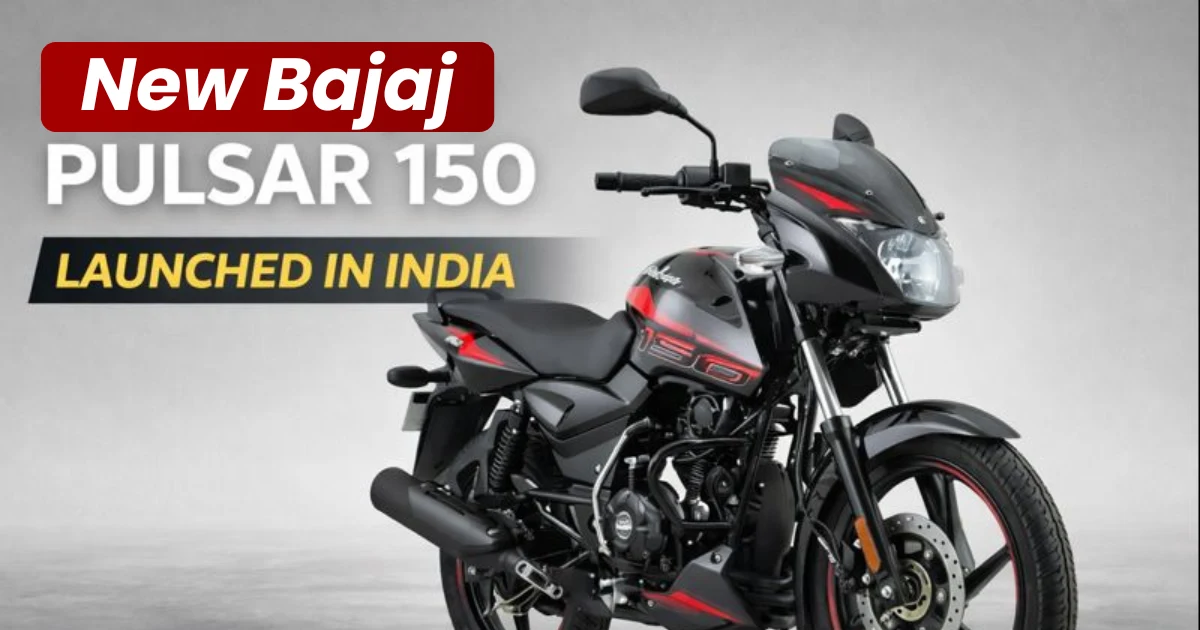
Bajaj Auto has launched an updated version of the New Bajaj Pulsar 150 in India, giving the long-running commuter-sport motorcycle a subtle refresh. Prices for the latest Pulsar 150 now start at Rs 1.08 lakh (ex-showroom), with changes focused mainly on design and features, while the mechanical package remains unchanged.
The update is aimed at keeping the New Bajaj Pulsar 150 relevant in a segment that continues to see steady demand, particularly in semi-urban and rural markets.
Also Read: 2026 Kawasaki Ninja 650 Launched at Rs 7.91 Lakh in India
New Bajaj Pulsar 150: Variant-Wise Prices
The updated Bajaj Pulsar 150 is available in multiple variants:
- Pulsar 150 SD (Single Disc): Rs 1,08,772
- Pulsar 150 SD UG: Rs 1,11,669
- Pulsar 150 TD (Twin Disc) UG: Rs 1,15,481
(All prices are ex-showroom, India)
LED Headlamp and Turn Indicators Added
The most noticeable update on the new Pulsar 150 is the addition of a full LED headlamp along with LED turn indicators. These changes are expected to improve visibility during night riding while also lending the motorcycle a more modern appearance.
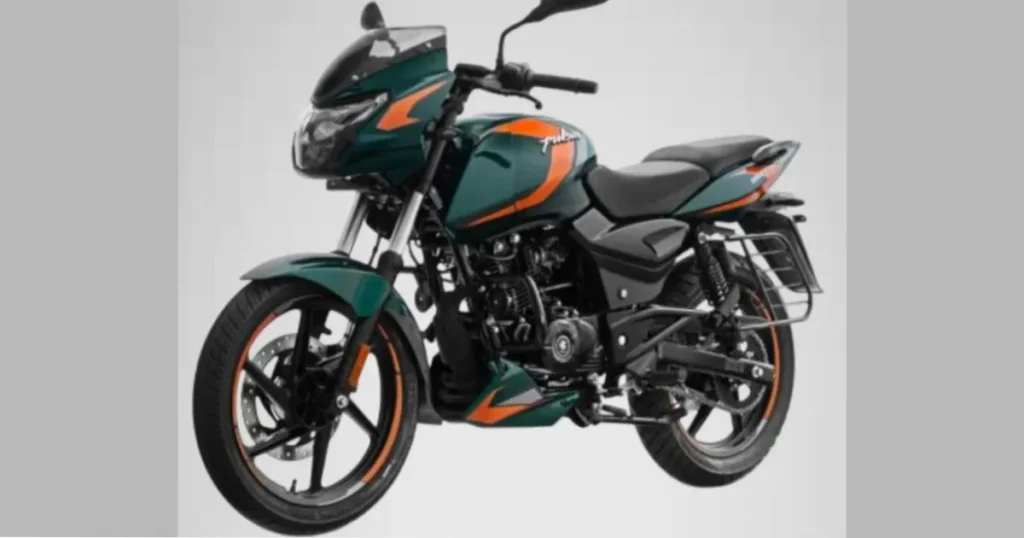
Apart from this, Bajaj has introduced new colour options and refreshed graphics, giving the Pulsar 150 a slightly updated visual identity while retaining its familiar muscular stance.
Design Largely Familiar
Despite the updates, the New Bajaj Pulsar 150 continues with its classic design elements. The fuel tank shape, split seat layout, alloy wheels, clip-on handlebars and exhaust design remain unchanged. Bajaj appears to have focused on incremental updates rather than a complete redesign, preserving the identity that has made the Pulsar brand popular over the years.
Engine and Mechanical Setup Remain Unchanged
Mechanically, the Pulsar 150 continues with the same 149.5cc single-cylinder, air-cooled engine. This motor produces 13.8 bhp of power and around 13.25 Nm of torque, paired with a 5-speed gearbox.
The chassis setup also remains familiar, with the engine housed in a double cradle frame. Suspension duties are handled by telescopic front forks and twin rear gas-charged shock absorbers.
Braking and Hardware
Braking hardware varies depending on the variant. The Twin Disc (TD) version gets a 260mm front disc and a 230mm rear disc, while the Single Disc (SD) variant uses a front disc paired with a rear drum brake. The bike continues to ride on 17-inch alloy wheels with tubeless tyres.
Digital Instrument Cluster and Connectivity
The New Bajaj Pulsar 150 also benefits from a digital instrument cluster, similar to what is offered on the Pulsar N150 and N160. The display shows information such as gear position, real-time and average fuel efficiency, distance-to-empty, and a digital clock.
Bluetooth connectivity via the Bajaj Ride Connect app enables call and notification alerts, adding a layer of convenience for everyday riders.
What This Means for Buyers
For buyers looking for a reliable, sporty commuter with a proven track record, the updated New Bajaj Pulsar 150 continues to offer a familiar package with small but meaningful upgrades. While it does not bring mechanical changes, features like LED lighting and a digital console help it stay competitive in a crowded segment.
With reports suggesting that Bajaj is working on a next-generation Pulsar, the current update serves as a bridge, keeping the Pulsar 150 relevant for customers who value simplicity, affordability, and brand legacy.
Disclaimer:All prices mentioned are ex-showroom. Specifications and features may vary by variant and region.
Also Read: Tata Sierra EV Expected in First Half of 2026: What We Know So Far

Raj Prajapati is a senior automobile journalist at AutoIndia24, reporting on car, bike, EV, and auto industry developments in India.